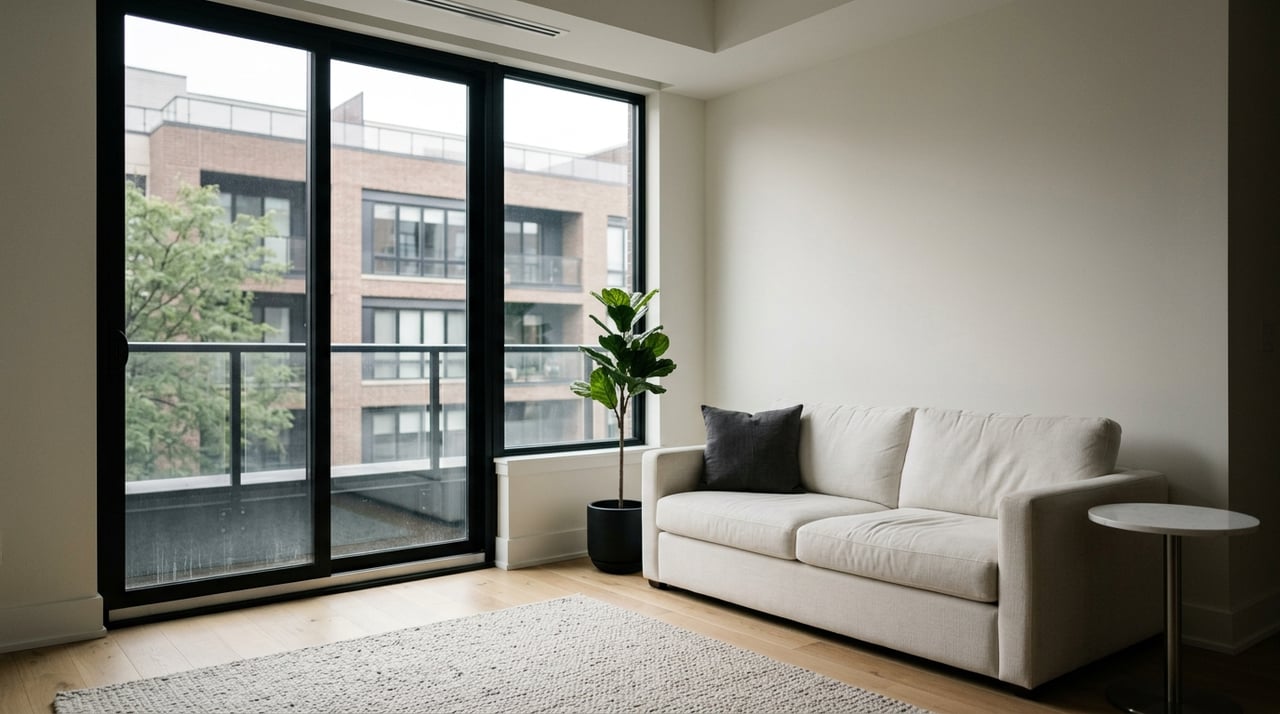
Living Near The PATH In Downtown Jersey City
June 18, 2026
June 18, 2026
Wondering if living near the PATH in Downtown Jersey City is automatically the right move? It can be a smart lifestyle choice if you want faster access to Manhattan, a walkable daily routine, and more flexibility without depending on a car. But PATH proximity does not create one single experience, and the right fit often comes down to which station area matches how you actually live. Let’s break it down.
One of the biggest draws of Downtown Jersey City is simple: the PATH runs 24 hours a day, 7 days a week. In this part of downtown, the core stations are Grove Street, Exchange Place, and Newport, which gives you several ways to plug into the neighborhood and the region.
That matters if your schedule is not strictly nine-to-five. PATH also announced Every Line, Every Day service in May 2026, which is especially relevant if you rely on weekends, evenings, or late-night service. For many buyers and renters, that kind of consistency can shape where home feels most practical.
There is also a cost and convenience factor. As of May 4, 2026, the one-way PATH fare is $3.25, and TAPP contactless payment is available. Grove Street, Exchange Place, and Newport are also elevator-accessible stations, which can make daily travel easier for a wider range of households.
A common mistake is treating all PATH-adjacent homes in Downtown Jersey City the same. In reality, Grove Street, Exchange Place, and Newport each support a different day-to-day rhythm, building style, and street feel.
That is why block-level strategy matters. You are not just choosing a station. You are choosing the kind of mornings, evenings, noise level, and housing stock you want around you.
If you want the most neighborhood-like street life, Grove Street often stands out. It is the strongest fit for people who like historic low-rise character, active sidewalks, and easy access to dining and public space.
The area also connects closely with Newark Avenue’s pedestrian mall, where Jersey City has created a restaurant-focused, outdoor-oriented corridor between Grove Street and Erie Street. The city’s planning and visioning work around Grove Street and Newark Avenue points to a place shaped by foot traffic, outdoor dining, and public gathering.
Housing around Grove Street can feel different from the waterfront. Historic preservation materials identify local historic districts such as Harsimus Cove, Paulus Hook, and Van Vorst Park, and they describe a downtown fabric defined in part by rowhouses and low-rise masonry buildings. If you are drawn to older street texture instead of tower living, blocks around Grove Street and a bit west or south often align better with that preference.
Exchange Place is often the clearest match for buyers and renters who prioritize a direct Lower Manhattan commuter profile. It serves Newark–World Trade Center and Hoboken–World Trade Center, and it layers in connections to the Hudson-Bergen Light Rail, local city bus service, and ferry service to Manhattan.
That combination creates a true transit hub feel. If you want options in your commute or prefer having more than one mode available on a typical day, Exchange Place offers a strong case.
The surrounding environment tends to feel more waterfront and infrastructure-oriented than brownstone-oriented. For some people, that reads as sleek and efficient. For others, it can feel busier and more vertical than the inland parts of downtown.
If your priority is newer high-rise inventory, Newport deserves close attention. It is best known for a master-planned environment and a housing profile that leans heavily toward towers and amenity-rich buildings.
Planning records and redevelopment materials show a concentration of high-rise residential and mixed-use projects in this area, including buildings at addresses such as 150 River Drive, 44 Park Lane North, and 110 Town Square Place. That is the clearest indicator that Newport offers a different housing model from the older low-rise sections of downtown.
This area also connects with the Hudson-Bergen Light Rail, NY Waterway ferry service, and private buses serving Newport Centre Mall. If you want a polished building experience and strong multimodal access, Newport can be a compelling fit. At the same time, the setting may feel more infrastructure-heavy and master-planned than historic.
Downtown Jersey City supports a transit-first routine better than many nearby markets. Jersey City says close to 50 percent of residents use public transit to commute to work, and the city also has more than 50 Citi Bike stations citywide.
That means your daily routine can be more flexible than just home-to-train. Depending on where you live, you may end up combining walking, PATH, light rail, ferry access, local bus service, and bikeshare in a way that reduces how often you need a car.
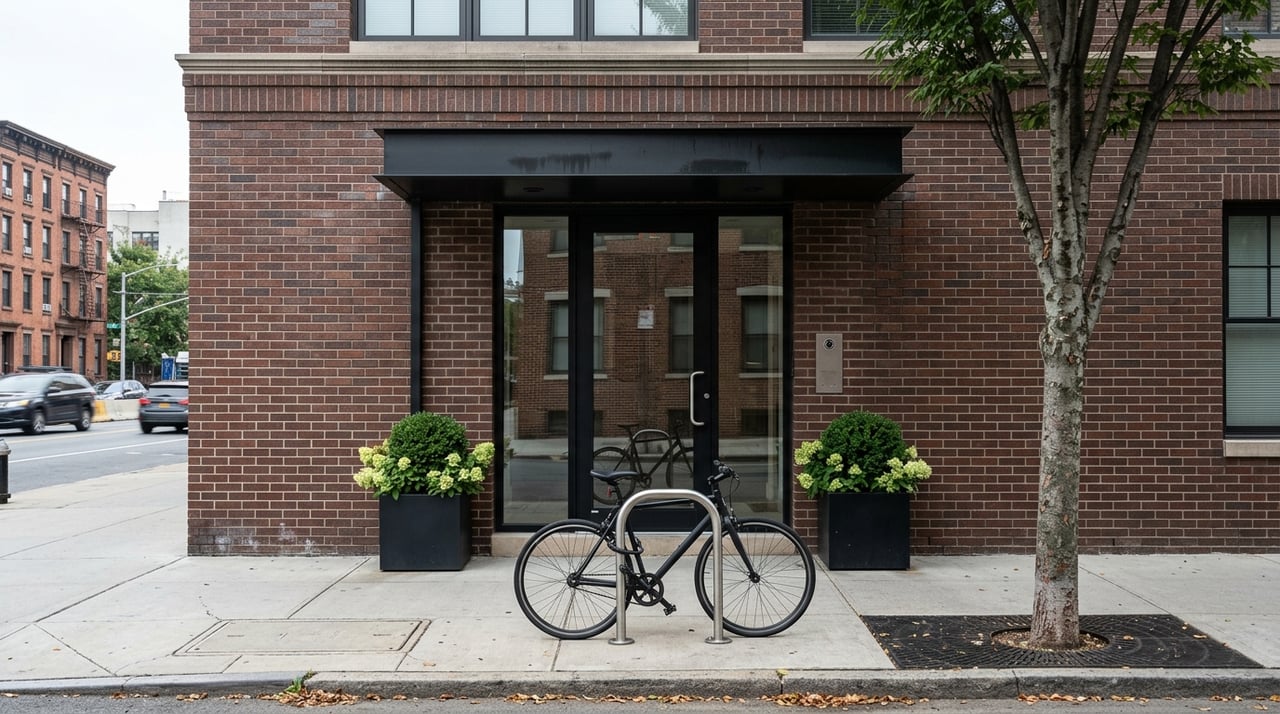
Secure bike parking at Grove Street, Exchange Place, and Newport adds another practical layer. For buyers and renters who want an urban routine built around movement and convenience, that matters more than a simple station map.
The biggest lifestyle tradeoff near the PATH is not whether the commute works. It usually does. The more important question is how much activity you want around you once you are home.
Blocks closest to station entrances, Newark Avenue’s pedestrian mall, and the waterfront mixed-use towers will usually feel louder and busier. Transit riders, restaurants, deliveries, and nightlife tend to cluster there, which can be a major plus if you want energy at your doorstep.
A few streets away, the feel often shifts. Those blocks can read as more residential even while staying close to the same station. If you like convenience but want a little more separation from foot traffic and evening noise, that micro-location difference is worth taking seriously.
Downtown Jersey City is clearly a premium urban market, and pricing reflects that. Realtor.com reports a March 2026 median listing price of $735,000 and a median rent of $3,300, with homes selling at about 99 percent of asking and a median 36 days on market.
Other sources show different numbers because they measure different things, but the message is consistent. Redfin reports a recent median sale price of $865,000, while Apartments.com’s May 2026 snapshot places average apartment rents at $3,371 for studios, $3,862 for one-bedrooms, and $5,169 for two-bedrooms.
For you as a buyer or renter, the takeaway is not to fixate on one headline number. Station proximity, building age, views, amenity packages, and parking can all materially change pricing from one part of downtown to another.
If you are trying to narrow your search, it helps to think less about Downtown Jersey City as one neighborhood and more like a set of small lifestyle zones. The best fit usually becomes clear when you compare your priorities against one station walk at a time.
Here is a practical way to frame it:
This is where a strategy-first search can save you time. Two homes may both be called “near the PATH,” but the lived experience can be very different depending on the station, the block, and the building type.
When you are buying or renting near the PATH, broad advice only gets you so far. What really matters is how a specific building and micro-location line up with your commute, your budget, and the way you want your week to feel.
That is especially true in Downtown Jersey City, where older rowhouse blocks, pedestrian dining corridors, and waterfront high-rises can all sit within the same broader search area. A clear plan helps you focus on the right tradeoffs early instead of touring homes that look good online but feel off in person.
If you want help narrowing the right station area, building style, or price band in Downtown Jersey City, MONIQUE BELGRAVE can help you build a smart, local strategy with clarity and confidence.
If you're a first-time buyer seeking guidance, a move up buyer ready for more space, a seller looking to list strategically, an investor focused on returns, or a renter exploring the market, get the insight, strategy, and support you need to move forward with confidence.
Get In Touch With Monique To Learn More

OFFICE 155 6th St, Hoboken, NJ 07030 BROKERAGE 28 Valley Road #1 Montclair, NJ 07042