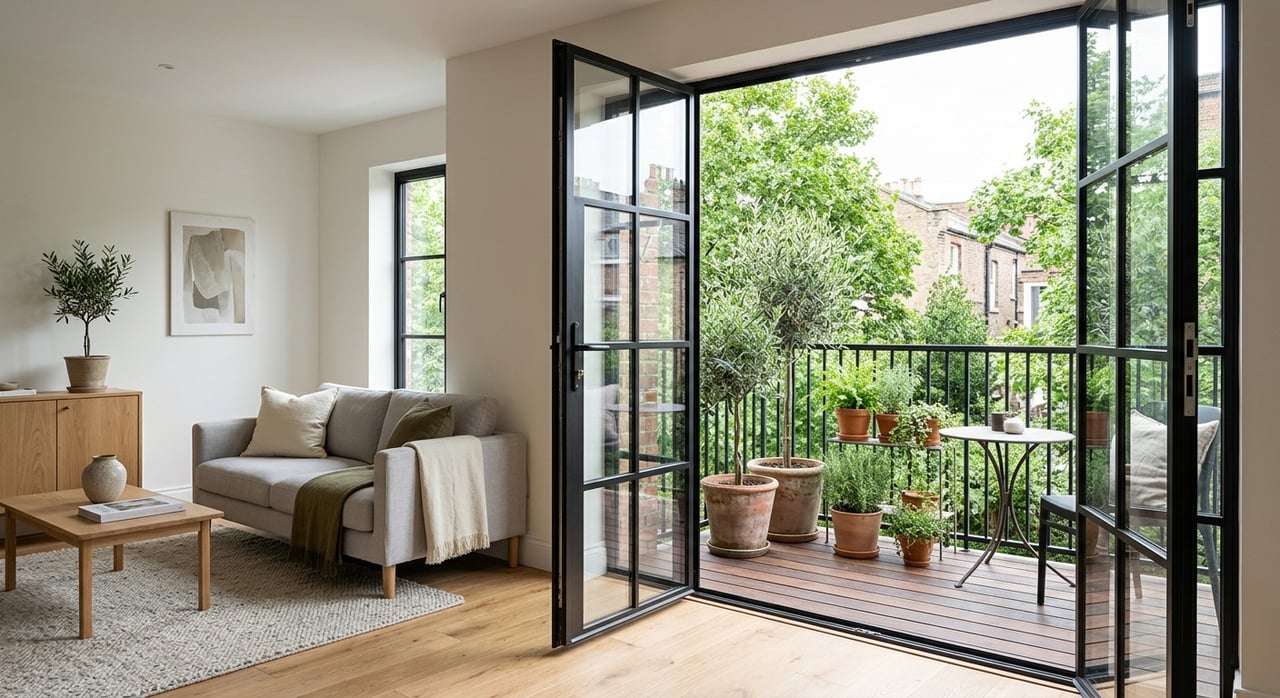
Should Jersey City Heights Be Your Move-Up From Hoboken?
May 7, 2026
May 7, 2026
If Hoboken has started to feel a little tight, a little expensive, or a little too nonstop, you are not alone. Many buyers and renters reach a point where they want more space and better monthly value without giving up Hudson County convenience. That is exactly why Jersey City Heights often comes up in the conversation, and this guide will help you weigh the trade-offs clearly. Let’s dive in.
For many Hoboken renters and condo owners, The Heights feels like a practical next step because it offers a different kind of lifestyle within the same broader commute network. You are still in Hudson County, still connected to Jersey City and Hoboken, but your housing options tend to open up.
The main appeal is simple: more room per dollar. Based on March 2026 listing data, Hoboken had a median listing home price of $985,000 and a median list price per square foot of $976, while The Heights came in at $834,900 and $645 per square foot. Median rent also showed a gap, with Hoboken at $3.8K and The Heights at $2.8K.
That does not make The Heights a bargain market. It does mean that, compared with Hoboken, you may be able to stretch your budget further for space, layout, or housing type.
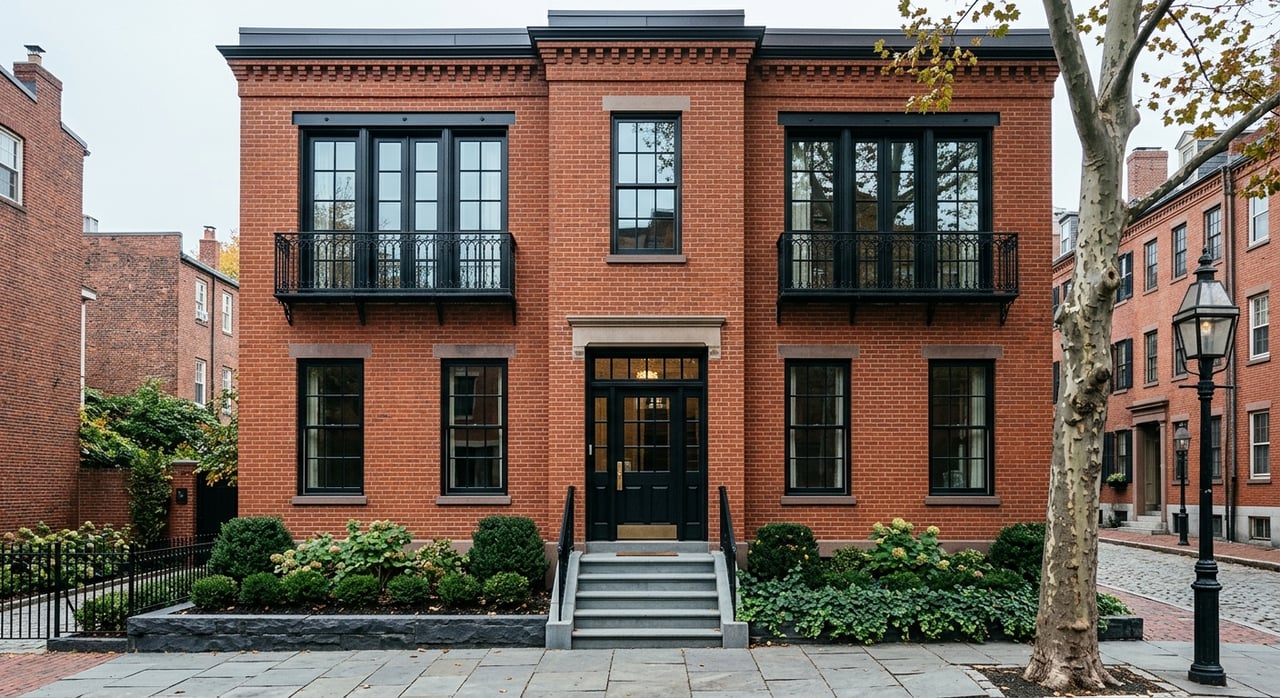
One of the biggest differences between Hoboken and The Heights is the housing stock itself. Hoboken is known for dense, historic low-rise housing, with masonry rowhouses forming much of its classic street wall.
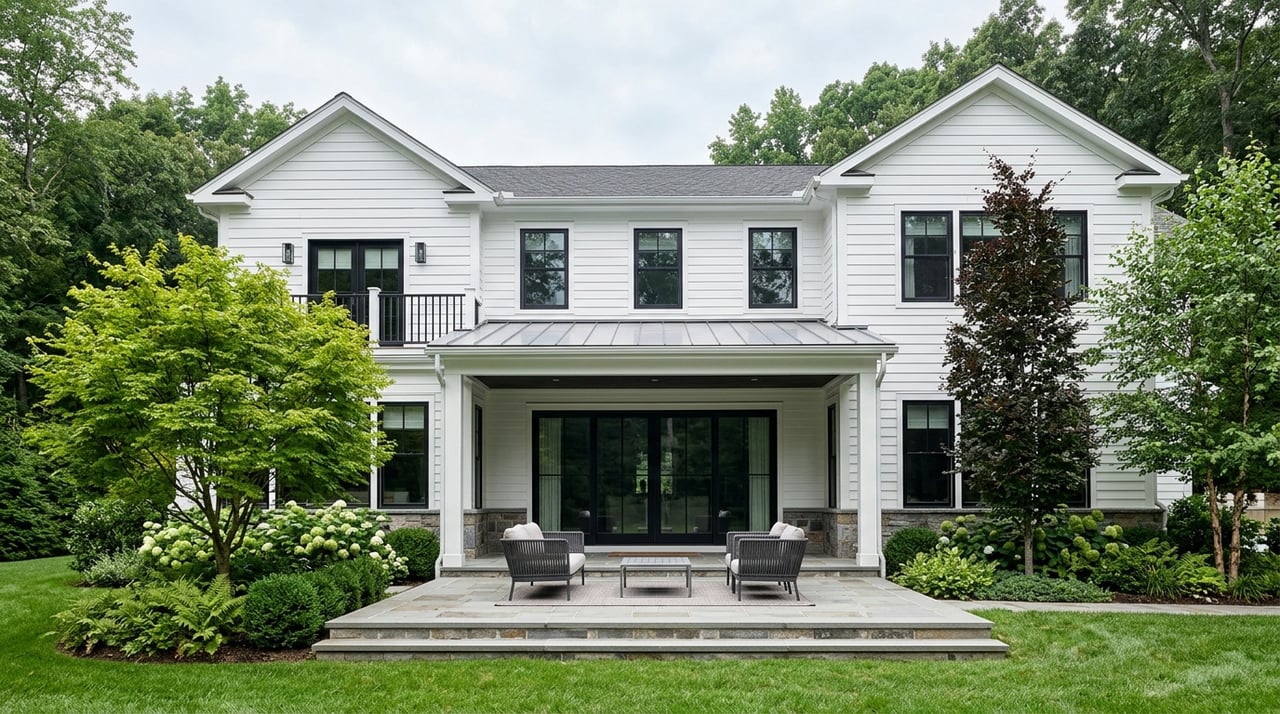
The Heights has a more varied built environment. Jersey City’s Ward D architectural survey describes a mix of single-family homes, duplexes, multi-family buildings, and mixed-use properties, especially along corridors like Central Avenue and Palisade Avenue.
That variety matters when your needs change. If you are moving from a smaller condo or apartment and want a second bedroom, a home office, or simply more flexibility in layout, The Heights may give you more options to work with.
The pricing gap between Hoboken and The Heights is meaningful, but it helps to read it the right way. These figures are current listing and rental snapshots, not closed-sale averages, so they show market positioning rather than a fixed price rule.
Still, the direction is clear. The Heights was about $331 less per square foot than Hoboken in March 2026, which is roughly 34% lower on a per-square-foot basis. Rent was about $1,000 lower per month, or roughly 26% less.
For buyers, that can affect what you target in size, condition, and monthly payment. For renters thinking about becoming buyers, it may also make the leap into ownership feel more realistic.
If you are comparing Hoboken and The Heights, transit should be one of the first things you think through. Hoboken keeps a real edge in all-in-one convenience because Hoboken Terminal connects rail, PATH, ferry, light rail, and bus service in one place.
That setup is a big reason Hoboken feels so easy for many commuters. NJ TRANSIT also notes that the terminal sits just steps from Washington Street and Pier A Park, which supports that walk-to-everything experience many residents value.
The Heights is still connected, but the commute pattern is different. Jersey City highlights the city’s larger transportation network, including PATH, light rail, bus, ferry, Citi Bike, and Via JC, with Journal Square Transportation Center serving as a key PATH-linked hub.
In practical terms, many Heights residents rely more on a bus-and-transfer routine than a direct walk to rail. NJ TRANSIT’s 87 route connects Jersey City and Hoboken and includes stops tied to Journal Square, Palisade Avenue, Central Avenue, and Hoboken Terminal, which helps keep the neighborhood workable for Hoboken-adjacent commuting.
This is really the heart of the decision. Hoboken tends to win if your top priorities are immediate walkability, a shorter and simpler commute, and easy access to multiple transit modes.
The Heights becomes more compelling when your priorities shift toward space, neighborhood texture, and monthly value. You may give up some of Hoboken’s instant convenience, but you often gain a calmer residential setting and more housing flexibility.
Neither choice is universally better. It depends on whether your next move is driven more by lifestyle efficiency or by room to grow.
The Heights often feels more like a traditional neighborhood district than a compact downtown. According to Jersey City’s Ward D architectural survey, the area developed from older roads and suburban-style lots before filling in with late-19th- and early-20th-century residential development.
That history shows up in the streetscape today. Instead of one dominant housing form, you see a more block-by-block mix of homes and buildings, which can create a quieter and more residential day-to-day rhythm.
For some people, that shift is exactly the point. If Hoboken feels exciting but intense, The Heights may offer a better balance between city access and breathing room.
Outdoor space is another part of the appeal. Jersey City identifies Pershing Field Memorial Park, a 13-acre park in The Heights, as a neighborhood asset, and the city has also described Reservoir 3 as a Heights landmark slated for restoration and resident access.
Those details matter because they shape how a neighborhood feels beyond your front door. The city has also highlighted pedestrian-safety work near parks and key streets in The Heights, which supports a more neighborhood-scale experience centered on walking and recreation.
If your daily routine includes dog walks, outdoor time, or just wanting a bit more room around you, these features can carry real weight in your decision.
The Heights often makes the most sense for people who have outgrown what Hoboken offers at a given budget. That can include renters becoming buyers, condo owners trading up for more room, or households that want space for a home office.
It can also be a strong fit if you want a more residential setting without moving away from Hudson County. Based on the housing mix, pricing gap, and park-oriented environment described in the research, The Heights tends to line up well with buyers focused on livability and value.
If your top priority is staying car-light, minimizing transfers, and living in a denser amenity-rich setting, Hoboken may still be the better fit. If you are ready to trade a little immediacy for more space and flexibility, The Heights deserves a serious look.
Before you make a move from Hoboken to The Heights, it helps to compare more than rent or purchase price. The lifestyle difference shows up in your commute, parking plan, and the kind of housing stock you are targeting.
Start with these questions:
Parking is especially important to check early. Jersey City says The Heights is organized as Parking Zone 16 with 24/6 enforcement, so it is smart to understand parking logistics before you commit to a specific block or building.
For many Hoboken residents, yes, it can be. The Heights usually offers more housing variety, more room, and lower monthly housing costs while keeping you connected to the same broader Hudson County ecosystem.
The trade-off is that you are generally choosing a more transfer-oriented commute and giving up some of Hoboken’s walk-to-everything ease. If that exchange lines up with what you need next, The Heights can feel less like a compromise and more like a smart progression.
The best move is the one that matches how you actually live, not just where you started. If you want help comparing Hoboken and The Heights with a clear strategy based on your budget, commute, and next chapter, connect with MONIQUE BELGRAVE.
If you're a first-time buyer seeking guidance, a move up buyer ready for more space, a seller looking to list strategically, an investor focused on returns, or a renter exploring the market, get the insight, strategy, and support you need to move forward with confidence.
Get In Touch With Monique To Learn More

OFFICE 155 6th St, Hoboken, NJ 07030 BROKERAGE 28 Valley Road #1 Montclair, NJ 07042