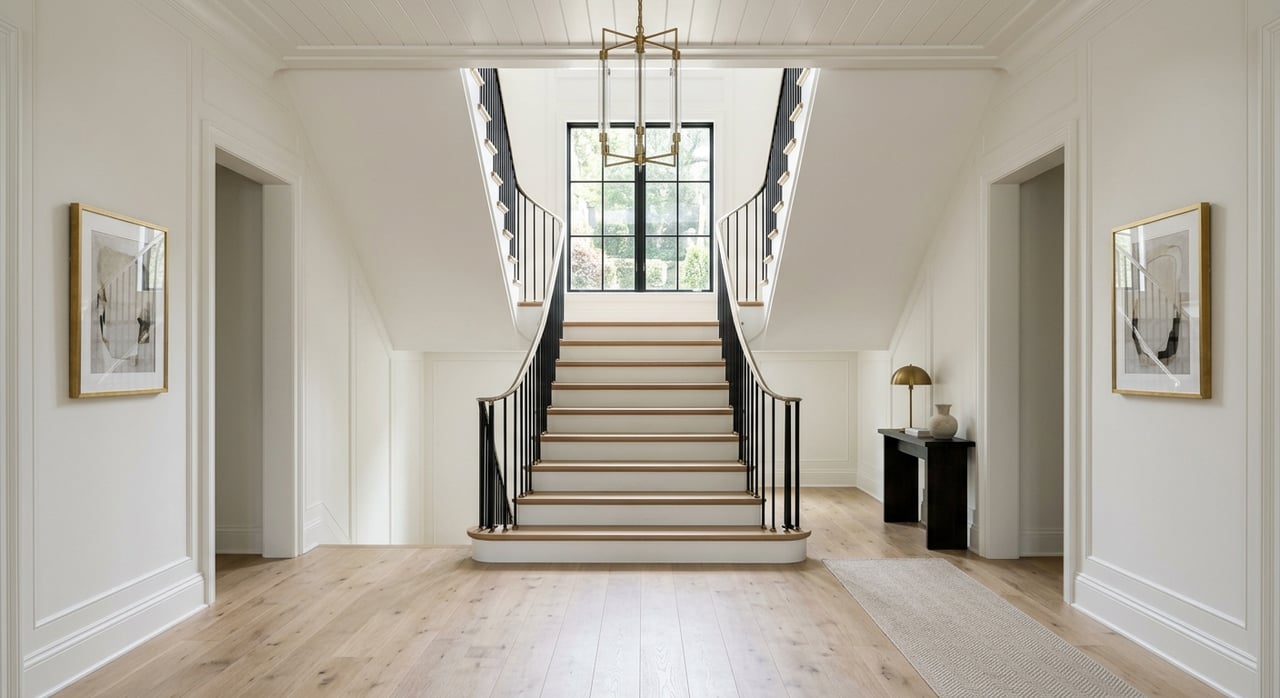
How To Prepare Your Englewood Home For Luxury Buyers
May 14, 2026
May 14, 2026
If you want luxury buyers to take your Englewood home seriously, it needs to feel polished before they ever step through the door. In Bergen County, buyers have options, and many spend months searching online before they decide which homes are worth seeing in person. The good news is that you do not need to overhaul your house to compete. You need a smart, presentation-first plan that helps your home photograph well, show well, and inspire confidence. Let’s dive in.
Englewood sits in a higher-priced Bergen County market, where buyers can compare a wide range of homes before making an offer. As of March 2026, Englewood’s median sale price was $677,500, while Bergen County’s median sale price was $757,500. Bergen County also had a median 74 days on market, which means sellers benefit from getting the launch right from day one.
Luxury buyers are rarely choosing in a vacuum. Redfin’s Bergen County luxury market snapshot shows hundreds of luxury homes for sale, with homes spending time on the market and drawing multiple offers. In a market like this, your home’s condition, styling, and online presentation become part of the pricing strategy.
Most buyers begin online, not at an open house. Zillow Research found that 68% of prospective buyers viewed homes on real estate websites, and 59% had been searching for six months or longer. That means many buyers are experienced browsers who notice weak photos, missing details, and listings that feel incomplete.
The most useful feature to buyers is listing photography. NAR reports that 81% of buyers rated listing photos as the most useful part of their online search. Zillow Research also found that floor plans ranked as the single most important listing feature for 33% of prospective buyers, followed by high-resolution photos and 3D or virtual tours.
For you, that means luxury preparation is not just about cleaning up the house. It is about creating a strong digital product. Your photos, floor plan, and overall listing presentation should help buyers understand the layout, imagine the lifestyle, and feel confident enough to book a showing quickly.
You do not need to stage every corner of the home to make an impact. NAR’s 2025 Profile of Home Staging found that 83% of buyers’ agents said staging made it easier for buyers to visualize a property as a future home. That is a strong reason to focus your energy where it counts.
According to the same report, the rooms buyers most wanted staged were:
If your budget or timeline is limited, start there. These spaces do the heavy lifting in photos and in-person showings. They shape how buyers interpret the rest of the property.
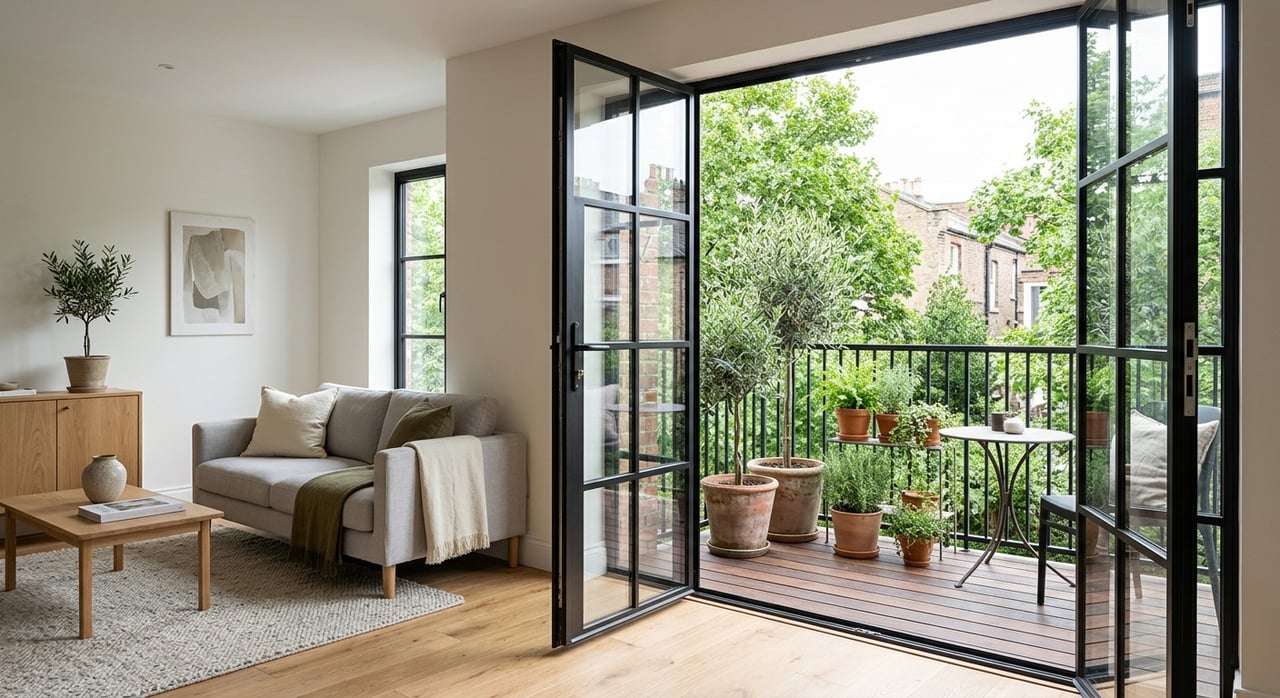
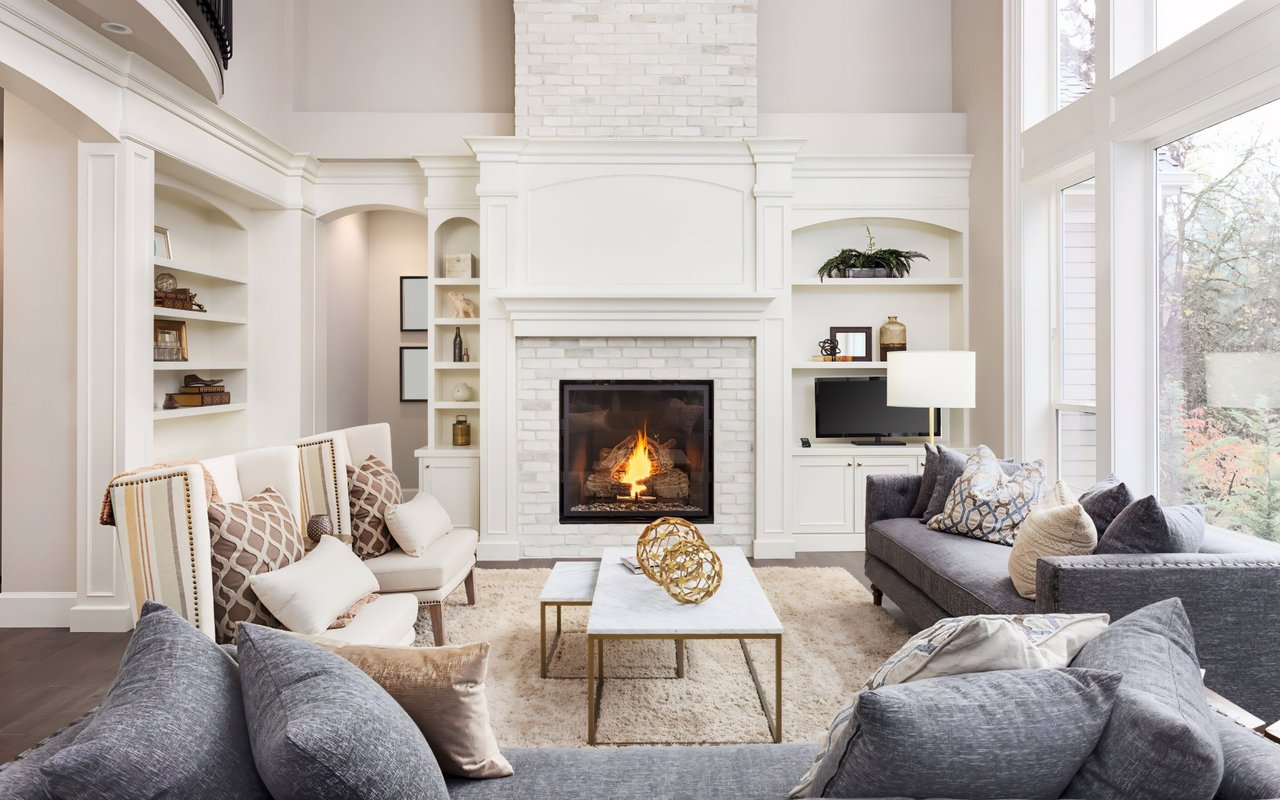
Your living room should feel open, calm, and easy to understand. Remove extra furniture, clear busy surfaces, and create a layout that highlights natural light and flow. If the room feels crowded or oddly arranged, buyers may assume the home lacks space even when it does not.
The primary bedroom should read as restful and spacious. Keep bedding simple, clear off dressers and nightstands, and reduce anything too personal or distracting. The goal is to help buyers picture the room as a retreat, not a storage area.
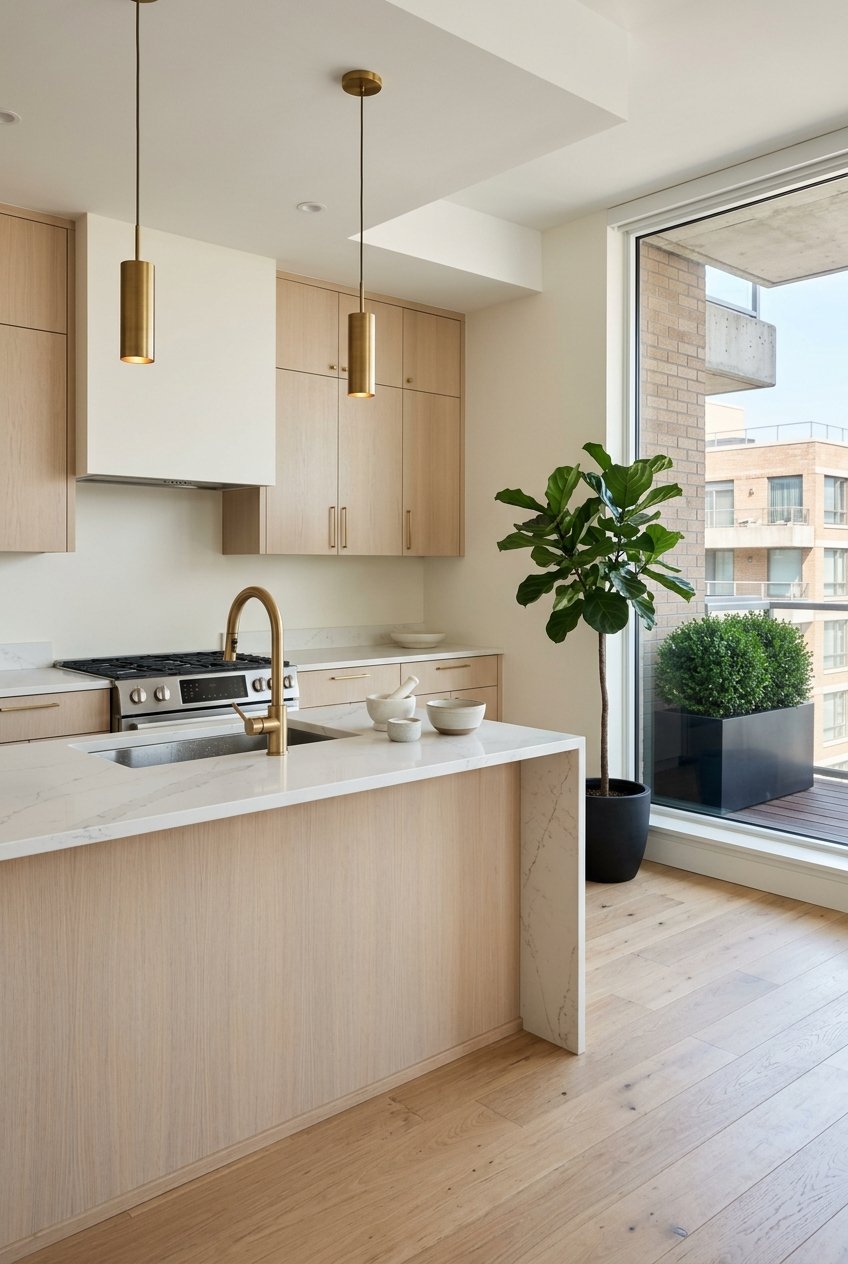
In the kitchen, clean lines matter. Clear countertops, reduce small appliances, and make sure finishes look fresh and consistent. Even if the kitchen is not newly renovated, a bright, uncluttered look can make it feel more current.
Before listing, many sellers wonder whether they should renovate. In most cases, the smartest pre-listing work is selective and presentation-focused. That fits both the staging data and New Jersey’s rules around permits and construction work.
New Jersey guidance says permits are required for new construction and for work involving structural, plumbing, mechanical, and electrical systems. Ordinary maintenance and routine repairs are generally exempt. For most sellers, that creates a useful boundary: focus on cosmetic improvements that help the home show better, and be cautious about larger projects right before listing.
These smaller improvements can often improve presentation without creating unnecessary complexity:
Try not to start large projects unless there is a clear strategy and enough time to complete them properly. Last-minute remodels can create delays, require permits, and introduce stress during the listing process. If a project touches structure or systems, it is wise to speak with a permit-aware contractor before moving forward.
Luxury buyers often expect a smoother process, and surprises can undermine confidence quickly. New Jersey’s Seller’s Property Condition Disclosure Statement requires sellers to disclose known material defects. The form covers issues such as roof leaks, basement dampness and mold, foundation cracks, termites and wood-destroying insects, structural movement, plumbing and sewage systems, additions and permits, and flood history.
This is one reason a pre-listing inspection can be worth considering. The disclosure form itself says it is not a substitute for a buyer’s professional inspection. If you identify issues before going live, you have more time to decide whether to repair them, disclose them clearly, or gather documentation that explains the condition.
Before photography and showings begin, take a close look at:
You do not need to create perfection. You do need to reduce avoidable surprises and present the home honestly and clearly.
A polished listing is not just visual. It is also organized. Buyers feel more comfortable when the seller appears prepared, transparent, and responsive.
New Jersey’s disclosure form includes detailed flood-related questions, including whether the property is in a FEMA flood zone, whether it has experienced flood damage or pooled water from a natural flood event, whether flood insurance exists, and whether a FEMA elevation certificate is available. The form also notes that standard homeowners insurance typically does not cover flood damage.
That makes document prep especially important. Before your home hits the market, gather:
This preparation can save time during attorney review, inspection conversations, and buyer follow-up questions.
Luxury buyers are not just reacting to finishes. They are reacting to ease. If the home feels visually busy, overly personalized, or hard to read, buyers may struggle to connect with it.
Aim for a clean, edited look. Remove excess decor, minimize personal items, and create clear sight lines from room to room. If a space has an unusual use, make its purpose obvious so buyers do not have to guess.
Small choices can change how the home feels in person:
None of these steps is dramatic on its own. Together, they help the home feel cared for and move-in ready.
One of the easiest mistakes sellers make is assuming photos alone tell the full story. They do not. Zillow Research found that floor plans were the most important listing feature for 33% of prospective buyers.
That matters even more in higher-end homes, where layout can influence value. Buyers want to know how rooms connect, where the bedroom separation is, and how the home lives day to day. A clear floor plan can answer those questions before a showing and improve the quality of buyer interest.
The first few days on market matter. NAR’s online visibility guidance emphasizes that the earliest listing period is when visibility is strongest. If your home is not fully ready when it goes live, you may miss the moment when buyer attention is highest.
That is why preparation should happen before the listing is active, not after. Photography, staging, touch-ups, floor plan creation, and paperwork should be in place so your launch feels complete. In a market where buyers have alternatives, a strong debut can shape momentum.
Preparing your Englewood home for luxury buyers is not about making it flashy. It is about making it clear, polished, and easy to trust. Strong presentation, smart repairs, organized documentation, and a clean launch all work together to help buyers see value quickly.
When you approach the sale with strategy, you give your home a better chance to stand out for the right reasons. If you want expert guidance on how to position your Englewood property for today’s market, work with MONIQUE BELGRAVE for a clear, polished, and strategy-led selling experience.
If you're a first-time buyer seeking guidance, a move up buyer ready for more space, a seller looking to list strategically, an investor focused on returns, or a renter exploring the market, get the insight, strategy, and support you need to move forward with confidence.
Get In Touch With Monique To Learn More
OFFICE 155 6th St, Hoboken, NJ 07030 BROKERAGE 28 Valley Road #1 Montclair, NJ 07042