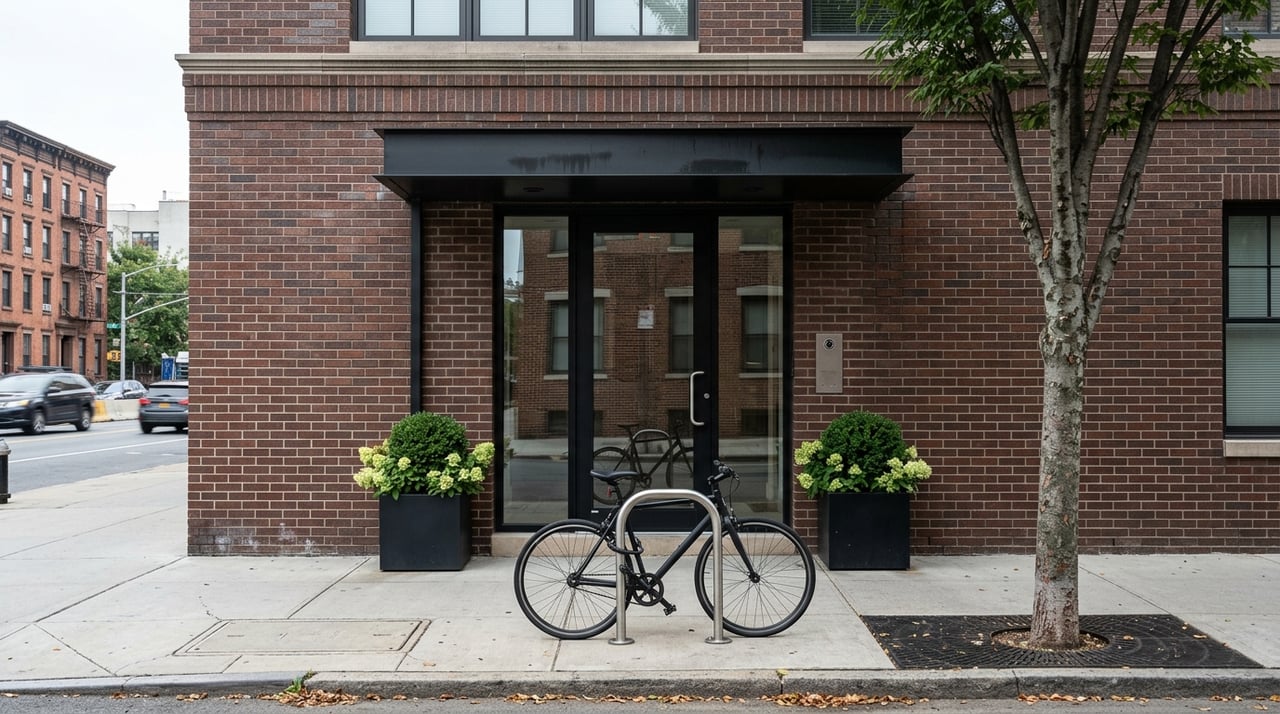
Living Car-Free In Hoboken: Housing And Transit Guide
June 11, 2026
June 11, 2026
If you are thinking about living in Hoboken without a car, you are not trying to make life harder. You are probably trying to make it simpler. In a city this compact, dense, and transit-connected, going car-free can mean fewer daily hassles, easier commuting, and more freedom to focus on where and how you want to live. Let’s dive in.
Hoboken is built for walking more than driving. The Census Bureau estimates 59,027 residents in 2025 living on just 1.25 square miles, which works out to about 48,335 people per square mile. That level of density shapes daily life in a practical way, with homes, errands, and transit packed close together.
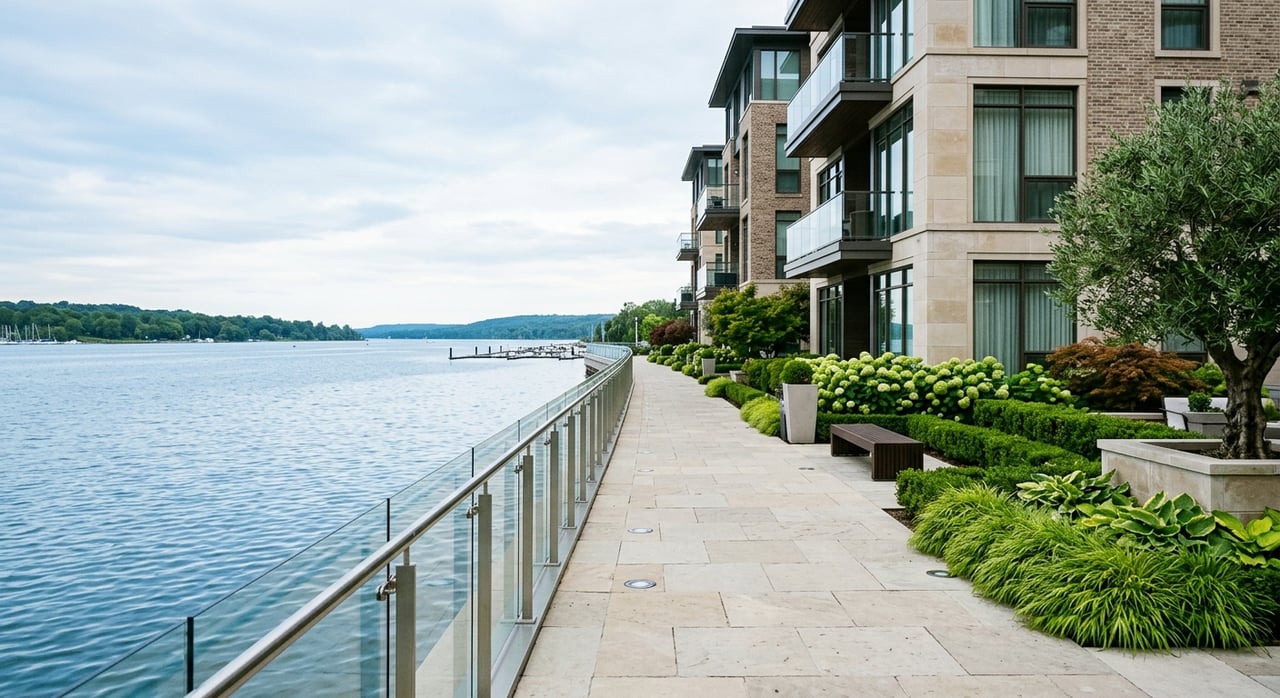
The city also supports low-car living through its streets and public spaces. Hoboken has a 20 mph citywide speed limit, about 53 acres of park space, and a nearly complete Hudson River Waterfront Walkway. Street upgrades like the Grand Street Complete Streets Pilot have added protected bike infrastructure, curb extensions, ADA ramps, and high-visibility crosswalks.
Just as important, parking is limited and closely managed. Hoboken says there is not enough curb space for everyone who owns a car, and a resident permit does not guarantee a spot. If you only drive occasionally, that reality can make a car feel like more of a burden than a benefit.
For most car-free residents, transit is the foundation of daily routine. Hoboken stands out because several systems meet in one city, which gives you more than one way to get to Manhattan, Jersey City, and other parts of North Jersey. That flexibility matters when you are choosing where to rent or buy.
PATH is the core commuter option for many Hoboken residents. Hoboken Station serves Hoboken to World Trade Center, Hoboken to 33 Street, and Journal Square to 33 Street via Hoboken. PATH also operates 24 hours a day, 7 days a week, which can be especially helpful if your schedule is not strictly nine to five.
As of May 4, 2026, the one-way PATH fare is $3.25. Hoboken Station is also accessible, which adds convenience for a wide range of riders. If your work or routine regularly takes you into Manhattan, being near PATH can be one of the biggest lifestyle upgrades you make.
Hoboken Terminal expands your reach well beyond the city. NJ TRANSIT lists service from Hoboken Terminal on lines including the Pascack Valley Line, Gladstone Branch, Morris & Essex Line, North Jersey Coast Line, Main-Bergen County Line, and Montclair-Boonton Line. That gives car-free households a strong regional option for work, visits, and weekend plans.
The terminal also has bike racks or lockers and no on-site parking. That setup reinforces what Hoboken already does well: support residents who rely on transit, walking, and biking rather than driving. If you want regional access without owning a car, this is a major advantage.
The Hudson-Bergen Light Rail is especially useful for getting around Hudson County. NJ TRANSIT says it connects Hoboken Terminal with Bayonne, western Jersey City, Exchange Place, and Newport Center. Hoboken also has 2nd Street and 9th Street-Congress Street stations, which add neighborhood-level convenience.
For residents who want easier access to Jersey City destinations or who prefer to live slightly outside the terminal core, light rail access can be a smart middle ground. It helps widen your home search without giving up low-car convenience. That can matter if you are balancing budget, layout, and transit access.
Ferry service gives Hoboken another strong commuting lane. NY Waterway runs Hoboken/NJ TRANSIT Terminal service 7 days a week to Midtown and Downtown/Brookfield Place. The Hoboken 14th Street route also runs 7 days a week to Midtown, with weekday commuter service to Pier 11/Wall Street.
The 14th Street ferry includes free connecting shuttle service to and from the Midtown terminal. If you like the idea of a direct waterfront commute, or if you are targeting the northern part of Hoboken, ferry access can be a real quality-of-life feature. In some cases, it can shape where you choose to live just as much as PATH does.
Hoboken is expensive, compact, and heavily renter-oriented. Census data shows a median gross rent of $2,938, a median owner-occupied home value of $895,100, and an owner-occupied rate of 33.8%. In practical terms, that means you will see a market shaped more by rentals and condos than detached houses.
The housing stock is also a mix of older buildings and newer development. In the locally designated historic district, the Historic Preservation Commission reviews exterior additions and alterations. At the same time, newer projects like Hoboken Connect and the North End redevelopment are adding mixed-use housing, while the Hoboken Housing Authority redevelopment plan calls for major rehabilitation or replacement of existing units.
For buyers and renters, this creates a wide range of choices. You may find older homes with character, newer buildings with modern amenities, or mixed-use developments close to major transit. The key is to filter those choices through your actual daily routine.
When you are searching for a home in Hoboken, car-free living is less about square footage alone and more about friction. A well-located home can make your week feel easy. A poorly located one can add transfers, long walks, and extra planning to nearly every day.
Start with the basics:
Parking costs are part of this equation too. As of June 1, 2026, Hoboken resident parking permits start at $95 for the first vehicle. Even then, the city makes clear that a permit does not guarantee a space, so paying to keep a car may not deliver the convenience you expect.
Not every block serves the same kind of car-free lifestyle. The best area for you depends on where you commute, how often you leave Hoboken, and whether you care more about all-in-one transit access, ferry convenience, or a slightly quieter residential setting.
Downtown is the strongest all-around option for many car-free residents. This area gives you the highest concentration of PATH, NJ TRANSIT rail, bus, ferry, and light rail access in one place. It also puts Washington Street retail and the waterfront close to home.
This area is especially compelling if your week includes frequent Manhattan trips, regional rail travel, or varied schedules. Hoboken Connect is also adding a new bus terminal, improved pedestrian and bicycle connections, and mixed-use housing near this same core. If you want the broadest transit flexibility, downtown is hard to beat.
The 14th Street waterfront is a strong fit if ferry service is central to your routine. The route runs every day to Midtown and on weekdays to Pier 11/Wall Street, making it one of Hoboken’s most practical ferry-based options. For some commuters, that direct service can be a major draw.
This area can also appeal if you want waterfront access while staying connected to the city. If your schedule lines up well with ferry service, you may find that this part of Hoboken supports a very smooth low-car lifestyle. It is a smart area to consider if PATH is not your only priority.
If you want to stay transit-connected while living a bit outside the busiest core, the light rail areas near 2nd Street and 9th Street-Congress Street are worth a close look. These locations keep you in the Hudson-Bergen Light Rail network while moving you somewhat away from the terminal district. For some buyers and renters, that balance feels more comfortable day to day.
These areas can work well if your routine includes Jersey City trips, mixed-mode commuting, or a preference for a more edge-of-core location. You still get strong transit access, just with a different rhythm than downtown. That can open up useful options during your search.
Washington Street and nearby mixed-use blocks are ideal for a highly walkable day-to-day lifestyle. Errands, dining, and everyday convenience are strong here, which matters a lot if you do not own a car. When most of your essentials are a short walk away, daily life becomes easier.
That said, these are also among Hoboken’s most tightly managed curbside areas. The city identifies business districts like Washington Street as high-demand meter zones. If your goal is to avoid parking stress entirely, this is another reason to focus on homes that let you live well without a vehicle.
A smart Hoboken search starts with transit first, then home features. It is easy to get distracted by finishes, views, or building amenities, but your location relative to transit will shape your routine every single day. In a car-free lifestyle, that tradeoff matters more than many people expect.
If you are renting, compare not just monthly rent but also how much time and transportation effort each location will require. If you are buying, think about resale too. Homes with strong access to PATH, ferry, or light rail often align well with what many Hoboken buyers and renters already value: walkability, commuter convenience, and flexibility.
A strategy-first search can help you narrow quickly. Instead of asking only, “Do I like this unit?” ask, “Will this location make my week easier?” That is often the better question in Hoboken.
If you are planning a move in Hoboken, the right guidance can help you line up location, budget, and lifestyle from the start. For a clear, local, and strategy-driven approach, connect with MONIQUE BELGRAVE.
If you're a first-time buyer seeking guidance, a move up buyer ready for more space, a seller looking to list strategically, an investor focused on returns, or a renter exploring the market, get the insight, strategy, and support you need to move forward with confidence.
Get In Touch With Monique To Learn More

OFFICE 155 6th St, Hoboken, NJ 07030 BROKERAGE 28 Valley Road #1 Montclair, NJ 07042