Hoboken vs Jersey City Condos: Making the Right Choice
February 19, 2026
February 19, 2026
Trying to choose between a Hoboken condo and a Downtown Jersey City condo? You’re not alone. Both offer a polished urban lifestyle on the Hudson, but they feel different on price, commute, building style, and long-term value. In this guide, you’ll compare the two side by side, see real market snapshots, and get a clear checklist to make your choice with confidence. Let’s dive in.
Hoboken and Downtown Jersey City both sit on the Hudson waterfront, but they deliver different experiences.
Prices and transit patterns noted here reflect snapshots current to early 2026. Always verify current listings and schedules before acting.
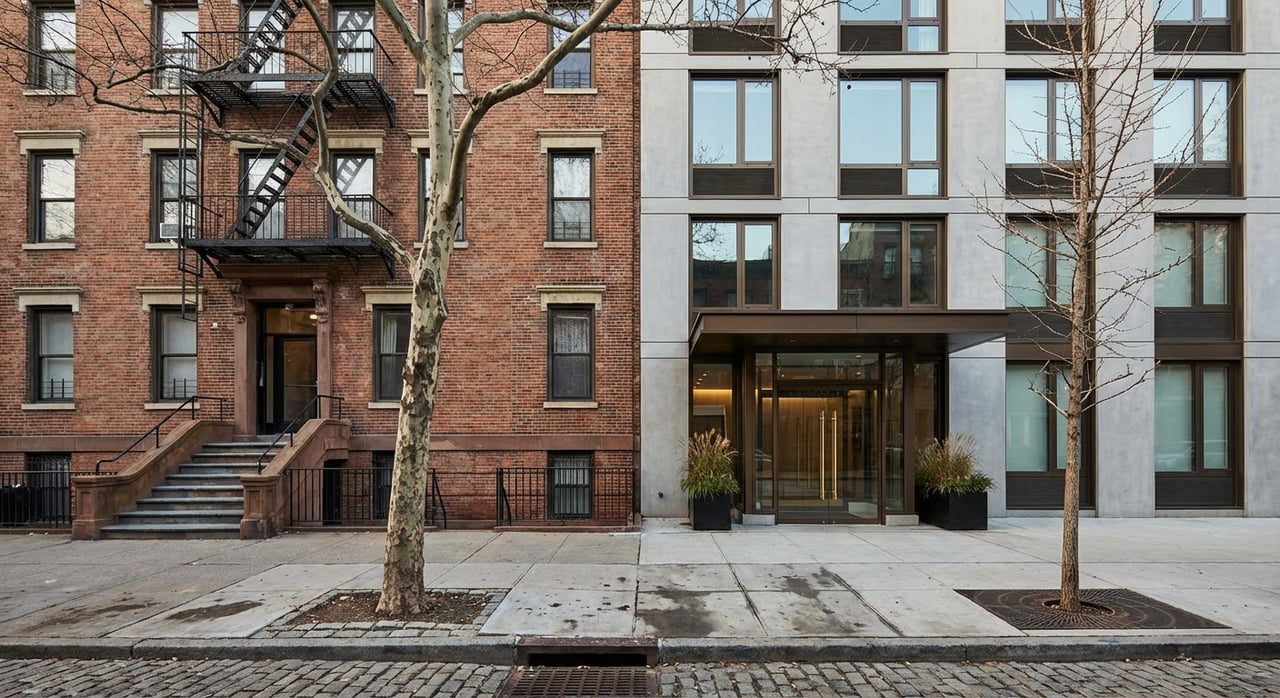
Hoboken’s Mile-Square layout concentrates life near Washington Street and the waterfront. You’ll see 19th-century brownstones, brick walk-ups converted to condos, modern mid-rises, and a handful of full-service waterfront communities. The historic streetscape and compact size reinforce a true neighborhood feel, supported by ongoing regional demand for close-in, transit-friendly living. For broader background on urban form and housing eras, you can scan this related FT perspective (historic and modern mix).
On pricing, the market-level ZHVI in Jan 2026 hovered near $834,000 (Zillow). Sub-areas differ widely by price per square foot, especially along the waterfront and central corridors. Daily life is simple by foot, with restaurants, cafes, and parks concentrated within a few blocks of most condo clusters. Walkability scores in central Hoboken often land in the mid-90s (walkability example).
Best fit if you want character-rich buildings, a tight footprint that keeps errands close, and reliable access to Manhattan by PATH or ferry.
Downtown Jersey City runs from Newport through Exchange Place, Paulus Hook, and Grove Street. It blends historic rowhouse blocks and an extensive supply of newer high-rise condos, with more towers in the pipeline. Jersey City’s open-data portal shows active redevelopment planning around Exchange Place and Harborside, which shapes inventory choice and timing (Exchange Place redevelopment plan).
As of Jan 2026, Redfin tracked a median sale price around $865,000 for Downtown Jersey City. That average masks big differences by building type, location, and amenity level. Waterfront cores and Grove Street remain highly walkable, and you will find a broad spectrum of amenities, unit sizes, and parking options compared with Hoboken’s tighter stock.
Best fit if you want modern towers, more in-building amenities, larger floor plans, and the quickest one-seat PATH ride to the World Trade Center.
Both markets are linked to Manhattan by PATH. Hoboken’s service patterns and ferries make Midtown connections simple. Exchange Place and Newport in Jersey City offer some of the fastest one-seat PATH rides to Lower Manhattan. Map your exact door-to-door route and timing using the PATH overview as a starting point (PATH routes and stations).
Frequent ferries operate from Hoboken Terminal, 14th Street Hoboken, Paulus Hook, and Harborside. Ferries can be faster and more comfortable for certain endpoints, but check fares and schedules since costs are typically higher than PATH.
The Hudson-Bergen Light Rail and local buses provide backup and neighborhood connectivity, especially helpful during service changes or for intra-county trips. You can preview route options here (Hudson-Bergen Light Rail guide).
Pro tip: test your commute during rush hour and on a weekend. Include the walk to the station or ferry, wait time, in-vehicle time, and last-mile subway or walk on the Manhattan side.
New Jersey’s Realty Transfer Fee applies at closing. Since July 10, 2025, a Graduated Percent Fee (the updated version of the former mansion tax rules) applies to certain transfers over $1 million and is typically the seller’s responsibility. This change can materially affect net proceeds and negotiations in the $1 million-plus band. Review the official rules here (NJ Realty Transfer Fee and Graduated Percent Fee).
Parts of Hoboken and Downtown Jersey City sit in FEMA flood zones. Buyers should verify building elevation, the location of mechanical systems, completed mitigation, any past flood claims, and current flood insurance premiums. Hoboken continues investing in resiliency, including parks that integrate stormwater management (Hoboken resiliency initiatives). To check an address, use FEMA’s Map Service Center via this resource hub (FEMA flood map access).
Hoboken’s small footprint and limited new-supply volume often support steady demand, particularly for well-located units in well-governed buildings. Scarcity can help resale values remain resilient through cycles. Liquidity tends to be strong in central locations where buyers prize walkability and transit.
Downtown Jersey City’s larger new-construction pipeline creates abundant choice for buyers. It also means certain time periods see more listings and price competition in specific towers or sub-areas. Jersey City’s redevelopment plans around Exchange Place and Harborside illustrate how future supply may deliver in waves. Track comparable sales within the same building and floor range, and note absorption when nearby towers deliver together (Exchange Place redevelopment plan).
Use these filters in order. You will narrow to the right neighborhood fast.
If you want the small-city feel and Midtown ease, Hoboken may feel right the moment you step out for coffee. If you want newer towers, larger amenity sets, and the fastest access to the World Trade Center, Downtown Jersey City often wins. The best choice depends on where you work, how you like to live, and what your long-term plan looks like.
When you are ready to move from browsing to a clear plan, connect with MONIQUE BELGRAVE for a strategy session that maps your commute, shortlists the right buildings, and models your budget and resale path.

If you're a first-time buyer seeking guidance, a move up buyer ready for more space, a seller looking to list strategically, an investor focused on returns, or a renter exploring the market, get the insight, strategy, and support you need to move forward with confidence.
Get In Touch With Monique To Learn More

OFFICE 155 6th St, Hoboken, NJ 07030 BROKERAGE 28 Valley Road #1 Montclair, NJ 07042