Think homeownership in Hudson County is out of reach because of the down payment? You are not alone. Many renters in Hoboken and Jersey City feel stuck, even though real programs exist to help you cross the finish line. In this guide, you will learn how first-time buyer programs work in New Jersey and at the city level, what lenders can offer, and how to stack options without slowing down your purchase. Let’s dive in.
What first-time buyer programs cover
State of New Jersey programs
The New Jersey Housing and Mortgage Finance Agency (NJHMFA) is the primary statewide source for first-time buyer options. NJHMFA typically offers low-rate first mortgages that can pair with down-payment or closing-cost assistance and may include Mortgage Credit Certificates in some funding years. Program names, income caps, DPA amounts, and terms change, so you should confirm current details directly with NJHMFA and a participating lender before you shop.
Municipal programs in Hoboken and Jersey City
Cities often deliver down-payment help using federal or state funds. Common formats include subordinate second mortgages that are forgivable or deferred, one-time grants, or low-interest loans. Funding is limited and can vary by fiscal year, so timing matters. Contact the City of Hoboken’s housing office and the Jersey City Division of Housing for current availability, purchase price caps, and income limits.
Federal mortgage options used by first-time buyers
- FHA loans: Allow low down payments, often 3.5 percent with qualifying credit. FHA loans are popular for first-time buyers who need flexibility. Condos may require project approval.
- Conventional low-down programs: Fannie Mae HomeReady and Freddie Mac Home Possible allow as little as 3 percent down for eligible low-to-moderate income buyers and flexible occupancy and unit rules compared with standard conforming loans.
- VA loans: Zero down for eligible service members and veterans. Lenders apply their own underwriting policies.
- USDA loans: Typically for rural areas and generally not applicable to Hoboken and Jersey City.
Mortgage Credit Certificates (MCCs)
MCCs can reduce your federal tax liability by crediting a portion of your mortgage interest. They may also improve qualifying income in underwriting. MCC availability is not guaranteed each year, so verify with NJHMFA or local agencies.
Employer-assisted and nonprofit programs
Some employers, universities, and nonprofits provide down-payment assistance, forgivable loans, or counseling for their communities. These are usually supplemental and often require documentation from your employer. Ask your HR team and local housing counselors what is offered.
Who qualifies in Hudson County
First-time buyer definition
Most programs define a first-time buyer as someone who has not owned a principal residence during the last three years. Programs may allow exceptions for specific life events or targeted areas. Always confirm the definition for the program you plan to use.
Income and purchase price limits
Down-payment assistance and city programs usually set maximum household income limits tied to HUD area median income for Hudson County or the metro area. Many also set purchase price caps that adjust by unit size. These limits are updated regularly, so check current figures with the program administrator before you write an offer.
Credit, debt-to-income, and reserves
- FHA: Many lenders require a score of 580 or higher for 3.5 percent down, with lender overlays possible.
- Conventional (HomeReady/Home Possible): Lenders often look for mid-600s scores, sometimes lower with strong compensating factors.
- VA: Service history and credit are reviewed, and lender overlays apply.
- DTI: Typical caps land in the mid-to-high 40 percent range, with flexibility based on reserves and product rules.
Property types and occupancy
Most assistance programs require owner occupancy for a period of time, and some include recapture or repayment if you move out early. Condos and multi-unit properties are common in Hoboken and Jersey City, but not every condo is eligible for FHA or certain program-backed financing. Co-ops and mixed-use properties may be ineligible for some programs. Confirm property eligibility at the start of your search.
How the process works
Step-by-step timeline
- Education and planning: Review your credit, compare loan options, and take homebuyer education if required.
- Pre-approval with a participating lender: Many state and city programs require approved lenders. Pre-approval usually takes 1 to 7 days with full documents.
- Program application or reservation: Some DPA programs require you to reserve funds while you are under contract. Funding can be limited and time sensitive.
- Contract and underwriting: Appraisal, title, condo review when applicable, and verification of program eligibility.
- Closing: DPA funds arrive as a grant or subordinate lien. You sign both the first mortgage and any assistance documents.
Typical timing for Hudson County
- Pre-approval: 1 to 7 days.
- Program review and reservation: Several days to a few weeks, faster for some municipal programs with limited funding.
- Contract to close: 30 to 60 days is common. Add 1 to 3 weeks for additional approvals, and sometimes 2 to 4 weeks for municipal or HOME-funded programs. Negotiate your contract timeline accordingly.
Documents you will likely need
- Government ID and Social Security number
- Last 30 days of pay stubs and 1 to 2 years of W-2s and tax returns
- Two months of bank statements and proof of reserves
- Employment verification and rental history if requested
- Homebuyer education certificate if required
- Signed purchase contract and condo documents when applicable
Lender incentives and seller concessions
Common lender options
- Lender credits: A lender may provide a credit toward closing costs in exchange for a slightly higher rate. This can reduce upfront cash but may increase monthly payments.
- Temporary rate buydowns: A 2-1 or 1-0 buydown can lower your rate for the first one or two years. The cost can be covered by a seller, lender, or buyer.
- Community seconds or subordinate financing: Some lenders offer second mortgages that function like DPA, sometimes in partnership with nonprofits or state programs.
Seller concessions
- FHA: Seller contributions are commonly allowed up to 6 percent of the sale price for eligible costs.
- Conventional: Caps often vary by your down payment. A common structure is up to about 3 percent if you put less than 10 percent down, up to about 6 percent if you put 10 to 25 percent down, and up to about 9 percent if you put more than 25 percent down. Lender overlays apply.
- VA: Seller concessions are allowed with caps that are often referenced around 4 percent for certain items. Confirm specifics with your lender.
Combining assistance
You can often combine DPA with lender credits and seller concessions if each program’s rules are met. Some DPA is a forgivable lien over time. Other assistance is a repayable second mortgage or a deferred loan. Your lender will account for any payment in the debt-to-income calculation. Aligning these pieces early helps you avoid delays and surprises at closing.
Hoboken and Jersey City condo considerations
Condo approvals
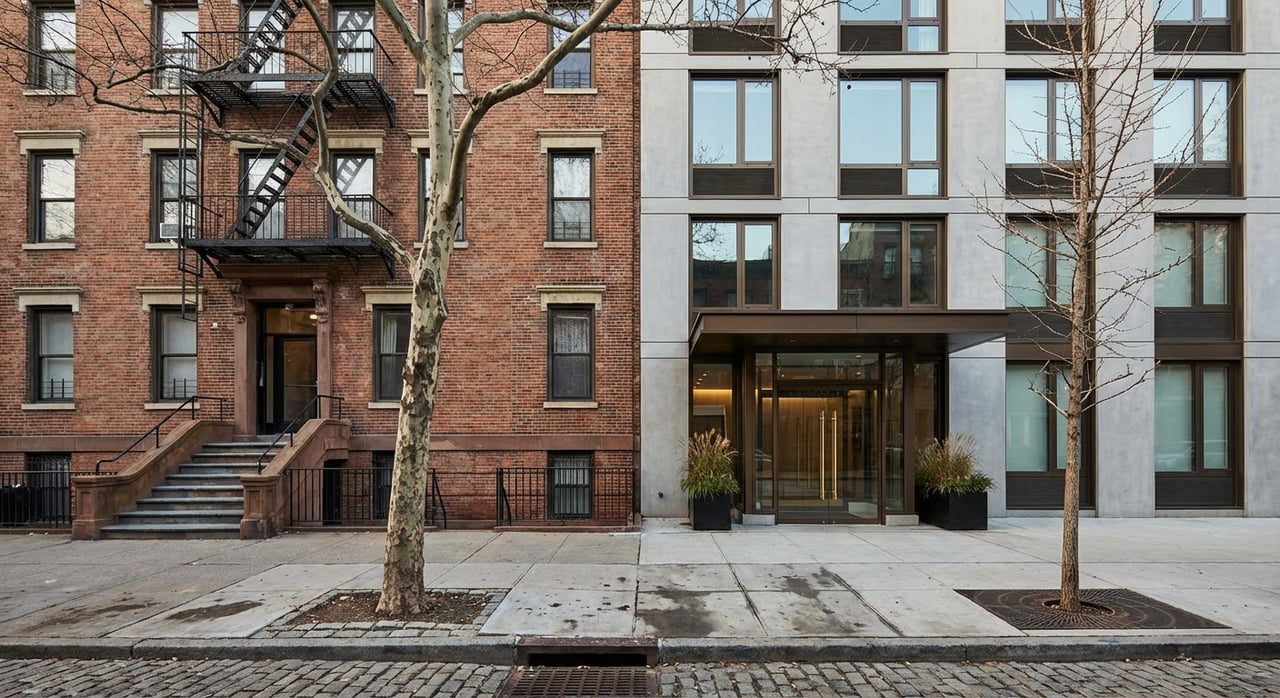
In dense Hudson County markets, most first-time buyers look at condos. If you plan to use FHA or a program with condo requirements, confirm whether the building is eligible as early as possible. Your lender can guide you on project approval or alternatives.
HOA dues in your budget
Monthly HOA fees can be significant. Lenders include HOA dues in your qualifying payment, so your budget should reflect principal, interest, taxes, insurance, and HOA. Programs and lenders will review the full monthly housing cost.
Multi-unit properties
Two to four unit properties may be eligible if you live in one unit as your primary residence. Rules differ by program and loan product, and some city assistance may set additional criteria. Confirm the details before you submit an offer.
Your action checklist
Pre-search
- Check your credit and resolve errors early.
- Save funds for earnest money, inspections, and reserves. Even with assistance, you will likely need some cash.
- Decide which loan type you prefer and confirm property-type requirements, especially for condos.
- Identify participating lenders that work with NJHMFA and local programs.
Documents to assemble
- ID, Social Security number, pay stubs, W-2s, tax returns, and bank statements
- Proof of additional income and assets
- Landlord contact for rental history if requested
- Homebuyer education certificate when completed
Costs to plan for
- Down payment: around 3 percent for many conventional first-time buyer products, around 3.5 percent for FHA, and 0 percent for eligible VA buyers.
- Closing costs: typically 2 to 5 percent of the purchase price, which can be reduced with allowable seller concessions or lender credits.
- HOA fees, taxes, and insurance: build these into your monthly budget and your approval strategy.
Timing and negotiation
- Get pre-approved under the specific loan you plan to use.
- If you rely on municipal DPA with limited funds, negotiate a timeline that allows for program review or a funding-related contingency.
- Work with a lender experienced in NJHMFA and city programs to reduce delays.
Local resources to contact
- New Jersey Housing and Mortgage Finance Agency (NJHMFA) for statewide programs, DPA, MCCs, and participating lender lists.
- City of Hoboken Office of Housing and Community Development for local assistance and program status.
- Jersey City Division of Housing within the Department of Housing, Economic Development and Commerce for HOME or CDBG-funded support.
- U.S. Department of Housing and Urban Development for FHA guidance, HUD AMI figures, and condo approval references.
- HUD-approved housing counseling agencies for required or recommended homebuyer education.
- The Consumer Financial Protection Bureau for guidance on comparing lender offers.
Strategy tips to stack assistance without delays
- Decide on your target loan type first, then match DPA that fits. Different products have different rules for income, condo approvals, and seller concessions.
- Reserve funds as soon as allowed if the program requires it. Limited funding means timing can decide eligibility.
- Use seller concessions to offset closing costs where allowed, then add a lender credit if needed. Make sure you stay under program and loan caps.
- Keep your documents updated every 30 days during the process. Fresh pay stubs and bank statements help avoid last-minute conditions.
- Plan for a 30 to 60 day contract timeline and build in an extra 1 to 3 weeks if your program needs additional review.
Next steps
Buying your first home in Hudson County can be realistic with the right plan. By aligning NJHMFA or city assistance with a smart loan strategy and a lender experienced in local programs, you can control both your upfront costs and your timeline. If you want a clear, strategy-first path from renter to owner in Hoboken or Jersey City, reach out to MONIQUE BELGRAVE for a calm, coordinated plan that keeps you moving.
FAQs
What counts as a first-time homebuyer in Hudson County?
- Most programs define it as no ownership of a principal residence in the last three years, with some exceptions that you should confirm with the program administrator.
How much down payment do I need for a Hudson County condo?
- FHA commonly allows about 3.5 percent down and many conventional first-time programs start around 3 percent, but condo eligibility and lender overlays will shape your path.
Can I combine down-payment assistance with seller concessions?
- Often yes, as long as both the loan program and the assistance program allow it and you stay under concession caps and eligible cost rules.
How long does a first-time buyer purchase take with assistance?
- A common range is 30 to 60 days from contract, with an additional 1 to 3 weeks in many cases for DPA or municipal reviews.
Are FHA loans accepted in all Hoboken and Jersey City condos?
- Not always. Many buildings require project approval for FHA or specific program-backed financing, so verify condo eligibility early with your lender.